In the early 2000s, I started blogging. I used the Blogger platform, because that’s what most people were doing. I still remember clearly, 25 years later, the thrill that the Blogger tagline gave me: push-button publishing for the people. Finally, I thought! A way to get everything I want to write out to readers, without depending on someone else to sanction and publish it! Viva la revolución! More even than my own writing (which was, retrospectively, not that good), I was excited by the concept: democratization of news, of opinions, of thought sharing.

You all know the rest of the story. Blogs rose, peaked, and subsequently were consumed by monetization. Blogging turned to influencing turned to garbage. But that moment, standing on the precipice, was fantastic.
It is, perhaps, naive, but I feel the same way now that I did then. There are a lot (A LOT) of problems with generative AI. Volumes can and should be and has already been written about that. But there is something else, as well. Something more like push-button publishing for the people. AI tools allow a user, without a time-consuming and expensive skill set to develop, and at a very low cost, to put things into the world that were not there before. It allows us to create in ways that were not possible without it, and to share those things we create. With the assistance of my trusty (or, let’s be honest, not that trusty, but we’ll work with what we’ve got) AI tool, I can turn things that have existed in my mind for years into real, usable products. It’s not quite push-button publishing, but it’s not far from it.
Over the past few months, I’ve transitioned pretty quickly from “hey, can I use this thing to sort out my Christmas gifting spreadsheet?” to “I’m going to use this thing to build real tools that I can then distribute.” The learning curve has been completely manageable, and I’ve gradually realized that it can’t just do things I can also do myself, but faster — it can truly do things I can’t do. I can edit HTML and have a basic understanding of how databases work, for example, but Claude has helped me put together multiple complete database-backed applications in just a few weeks. Had I tried to do this myself, I’d still be struggling with set-up; with this technology, I’m building.
I’ve spent decades on product teams, working with the people who write the code. I’ve learned, over time, to do almost every part of the process (some better than others). I can interview SMEs, refine requirements, write user stories, collaborate with designers, track progress, do QA, write release notes and read-mes…but I can’t write code. The step in the process that takes something from an idea, however well-formed, to a reality is the one I’ve never been able to do. Now, with help, I can, and it’s exhilarating. Suddenly, I’m a one-woman (plus AI) product team. I’m overwhelmed with ideas and plans and bubbling creativity, in much the same way I was in the early days of the century, with my brand-new blog.
There are, of course, downsides. It’s allowing me to be lazy, one could argue. After all, I could have learned to write code myself, rather than waited for a shortcut. But that just seems silly to me, because that wasn’t ever going to happen. I’m both unsuited and unwilling. Math is hard for me. Languages are impossible. There are a great many things at which I am proficient, but coding was never going to be one of them.
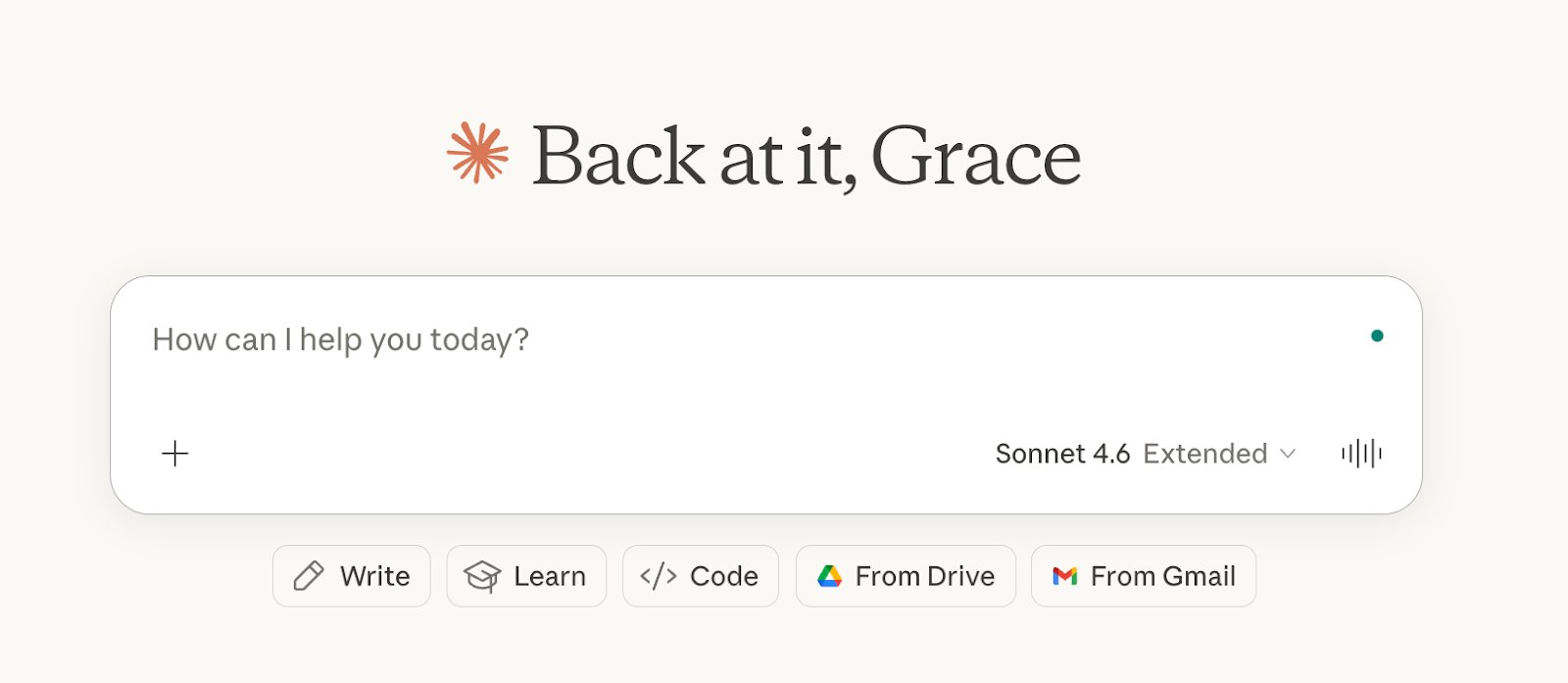
Using AI is dampening my creativity and hobbling my mind, I’ve heard. But that’s truly not what it feels like. I haven’t felt this creative in years. It’s like a brand new box of crayons, all lined up in order, with sharp tips. The tool isn’t choking off my creativity, but rather is piquing it. I open a window, see “How can I help you today?” and my mind is full of possibilities.
Some people think there should be gatekeeping in app development. This is the same line of thought that says self-published books aren’t worth reading. Does democratizing the process of invention lead to more worthless inventions? Probably. It certainly increases the need for diligence and a sharp eye in assessing whether you want to put new apps into your rotation. But it also allows gold that would likely have remained in someone’s brain, or in their discarded files, to see the light. I can’t help but believe the tradeoff is worth it.
I don’t know what is going to happen next with this technological revolution, and, like many others, I am worried about it. AI is not all good. It might not even be mostly good. But this is something about it that I would argue is good: allowing creative people to bring their ideas to life. Lowering the barrier to entry on technical tools. Providing a new pathway to exercise creativity. Just like my long-ago blog, I look at the things I am creating with AI and I’m happy they exist, outside my brain, and are usable in a way they never would have been if wholly dependent on my own skill set. I wake up in the morning with ideas, just like I always have, but now I have another avenue with which to see them through — not just a way to make it easier, a way to make it possible.